
Shortness of breath can be alarming. When you feel like you can’t get enough air, it’s natural to worry — especially if you don’t know what’s causing it. While shortness of breath can have many physical causes, it’s also a common symptom of anxiety and panic reactions. Understanding the difference can help you react appropriately, calm your body, and get the care you need.
What Anxiety-Related Shortness of Breath Feels Like
When shortness of breath is from anxiety, it often feels like:
- Rapid or shallow breathing, as if you’re drawing air from your chest instead of your diaphragm.
- Sudden onset during stress or worry, even without physical exertion.
- A sensation of air “hunger” or not getting enough breath.
- Accompanying anxiety symptoms like a pounding heart, sweating, trembling, dizziness, or a sense of dread.
These sensations happen because your body’s fight-or-flight response activates when you feel anxious — even if there’s no real physical danger. Your breathing becomes quicker and shallower, and you may feel like you’re suffocating.
Key Clues It’s Anxiety — Not a Physical Lung or Heart Issue
While anxiety-driven breathlessness can be distressing, certain signs help differentiate it from other medical causes:
It starts suddenly during stress or panic
Anxiety-related shortness of breath often comes on quickly during or right after a stressful event and isn’t linked to physical activity.
It eases with relaxation
If your symptoms improve when you practice deep breathing, mindfulness, or calm down naturally, anxiety may be the cause.
It’s temporary and episodic
Most anxiety-related episodes are brief — often lasting a few minutes and diminishing once the stressor passes.
Other anxiety symptoms show up at the same time
Shortness of breath accompanied by racing heart, sweating, trembling, or dizziness is more likely linked to anxiety than a respiratory condition.
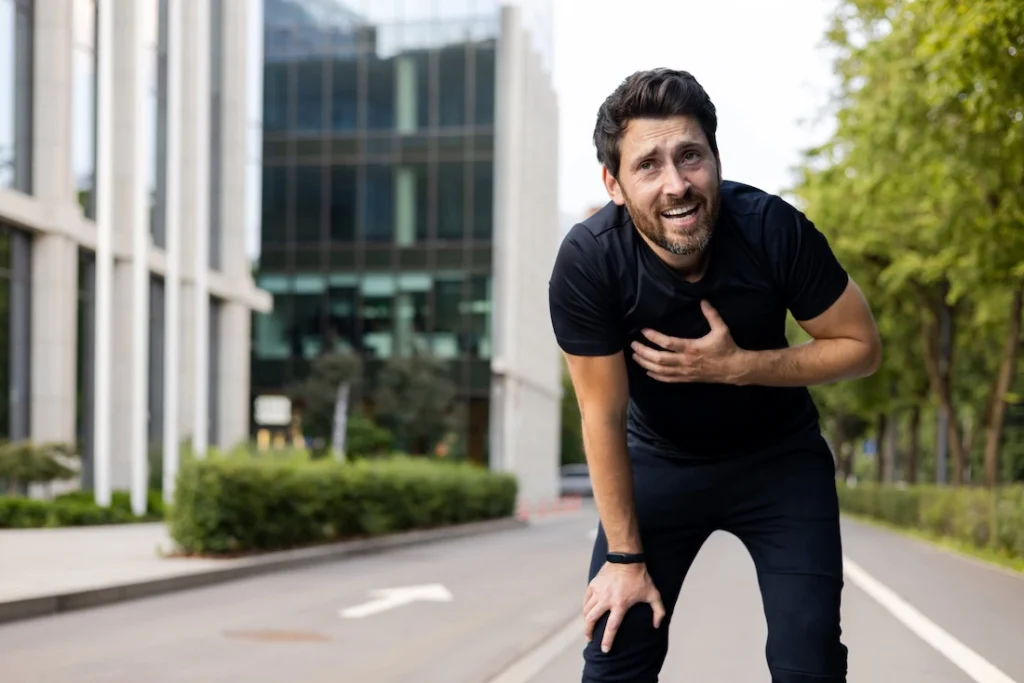
When It Might Not Be Anxiety
Shortness of breath can also be caused by physical health conditions such as asthma, allergies, lung infections, or cardiovascular issues. If you notice any of the following, seek medical advice:
- Chest pain or pressure
- Persistent breathlessness that doesn’t improve
- Fever, wheezing, or chronic cough
- Symptoms triggered by physical exertion
These signs could indicate respiratory or cardiac conditions and require evaluation by a healthcare professional.
What You Can Do Right Now
If you suspect anxiety is causing your shortness of breath, these strategies may help:
Practice slow, deep breathing
Breathing from the diaphragm instead of the chest can reduce hyperventilation and promote calm. Inhale slowly through your nose, allow your belly to rise, then exhale gently through pursed lips.
Ground your body and mind
Techniques such as mindfulness, guided imagery, or progressive muscle relaxation calm your nervous system and lessen the panic response.
Track your symptoms
Noticing patterns — such as when symptoms occur and how long they last — can help you and your healthcare provider better understand what’s going on.
When to Seek Help
Even if anxiety seems like the likely cause, there’s no shame in consulting a professional. Evaluation by a doctor or mental health specialist:
- Rules out serious physical causes
- Provides peace of mind
- Connects you with effective treatment for anxiety
If anxiety is interfering with your day-to-day life, emotional well-being, or relationships, qualified support can make a meaningful difference.
At Sequoia Recovery Centers, we understand how anxiety and related symptoms can impact your quality of life. Our compassionate team supports individuals navigating mental health challenges alongside addiction and recovery needs. If anxiety or stress is affecting you or someone you care about, reach out — help is available.