Kratom is often marketed as a natural, harmless supplement, but many people discover that it’s much harder to stop than they expected. If you’ve tried to cut back and found yourself sick, anxious, or unable to sleep, you’re not alone, and you’re not weak. Sequoia Recovery Centers offers kratom rehab in Washington state, with medically supervised detox, residential inpatient care, and outpatient programs at our physician-owned facility in Spokane Valley. Reach out today to learn how we can help.
Kratom (Mitragyna speciosa) is a tree native to Southeast Asia. Its leaves contain compounds called alkaloids, mainly mitragynine and 7-hydroxymitragynine (7-OH), that act on the same opioid receptors in the brain as drugs like oxycodone and heroin. At low doses, kratom tends to feel stimulating. At higher doses, it produces opioid-like effects such as pain relief, sedation, and euphoria.
In Washington, kratom is sold in gas stations, smoke shops, and online as powders, capsules, teas, gummies, shots, and extracts. Many people start using it to manage pain, boost energy, ease anxiety, or self-treat opioid withdrawal. Over time, the brain adapts. Tolerance builds, doses climb, and stopping leads to withdrawal. That’s the same pattern seen with other opioids.
Natural kratom leaf contains only trace amounts of 7-OH. Many products sold today are very different. Newer tablets, shots, and extracts are made with concentrated or chemically enhanced 7-OH, which is far more potent than the leaf. These products can cause faster dependence, more severe withdrawal, and in some cases, overdose.
Federal and local officials have taken notice. In 2026, the DEA moved to place concentrated 7-OH products and several related synthetic compounds into Schedule I. The cities of Spokane and Spokane Valley have banned kratom sales within their city limits. Learn more in our guide to whether kratom is legal in Washington State.
Legal status is only part of the picture. Kratom products are not approved by the FDA for any medical use, and they are not tested or labeled under any Washington state standard. You often can’t know exactly how strong a product is or what else is in it.
We Work With Most Major PPO & HMO Insurance Providers. We Now Are Accepting Medicaid for Outpatient Treatment. Within Medicaid, we only accept Well Point.
We Are An In-Network Provider For Kaiser And Lifewise Insurance Carriers.









Kratom addiction can be easy to hide, even from yourself. It’s often taken in pill or drink form and doesn’t carry the same stigma as other drugs. Signs that your use has become a problem include:
Not sure where you stand? Take our confidential self-assessment quiz or our quiz for a loved one.
Kratom withdrawal closely resembles opioid withdrawal. Symptoms usually begin within 12 to 48 hours of the last dose. For many people, they’re most intense in the first few days and improve over about a week. Withdrawal from concentrated 7-OH products can be more severe and may last longer.
Some people also have lingering symptoms, such as low mood, fatigue, trouble sleeping, and cravings, that last for weeks after the acute phase. People who use kratom alongside alcohol, benzodiazepines, or other opioids may face a more complicated withdrawal. That’s why a medical assessment before detox matters.
Because kratom is sold legally in many places, people often assume they can quit on their own. Some can taper successfully. But for daily or heavy users, especially people using 7-OH, withdrawal can be severe enough to drive a return to use. Some people turn to other opioids to cope.
At Sequoia Recovery Centers, medically supervised detox gives you:
We understand how challenging it can be to know if and when you or your loved one needs help with addiction. By taking this quiz, you can get a quick assessment of some signs that may indicate whether or not you need to reach out for help.
Detox helps your body stabilize, but lasting recovery means understanding what kratom was doing for you. Many people started using it to manage pain, stress, anxiety, depression, or fatigue, and those needs don’t disappear when you stop. Our treatment team helps you find healthier ways to meet them.
Your treatment plan is built around your personal goals and values and may include:
Medical Detox Most people with daily kratom or 7-OH use start with medically supervised detox. Our team manages withdrawal and prepares you for the next phase of treatment. Learn about medical detox →
Residential Inpatient Residential care offers 24-hour support and structure. It’s a good fit if you’ve tried to quit before, use large amounts or concentrated products, or have co-occurring mental health concerns. Explore inpatient rehab →
Outpatient Continue treatment while living at home through our PHP, IOP, and outpatient programs. For some people with milder dependence, outpatient care may be the right starting point after an assessment.
Using a step-down approach, you can move to a lower level of care as you progress. Our admissions team will help you find the right fit.
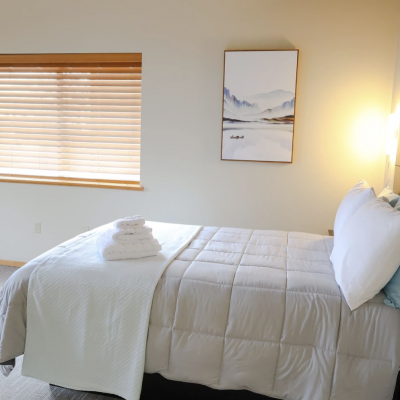
Kratom may be easy to buy, but that doesn’t make it easy to quit. If you or someone you love is struggling with kratom or 7-OH, you deserve support that takes it seriously. Sequoia Recovery Centers offers compassionate, medically supervised care in Spokane Valley, with private rooms, catered meals, and a full continuum of care.
Contact our team today to verify insurance and start admissions.
Yes. Kratom acts on the brain’s opioid receptors, and regular use can lead to tolerance, dependence, and withdrawal. Products containing concentrated 7-OH carry an even higher risk.
Acute symptoms usually start within 12 to 48 hours of the last dose and improve over about a week. Withdrawal from 7-OH products can be more intense. Some people experience lingering low mood, fatigue, and cravings for several weeks.
Kratom withdrawal is rarely life-threatening on its own, but it can be very uncomfortable. Dehydration, severe insomnia, and cravings that lead to other opioid use are real risks. Detox is more complicated if you also use alcohol, benzodiazepines, or other opioids. Medical supervision keeps you safer and more comfortable.
7-hydroxymitragynine (7-OH) is a potent alkaloid found in trace amounts in kratom leaf. Many newer products contain concentrated or chemically enhanced 7-OH. In 2026, the DEA moved to place concentrated 7-OH and several related compounds into Schedule I.
Yes. Many of our clients started using kratom to manage opioid withdrawal or pain. Our team will assess your full history and create a plan that addresses kratom and any other substance use.
Many insurance plans cover treatment for substance use disorders, including kratom addiction. We work with most major PPO and HMO carriers and accept Wellpoint Medicaid for outpatient treatment. Contact us to verify your benefits.